
The Homeless Community
The Salt PathRay and Moth’s encounters with people sleeping rough or living in hidden camps gradually replace stereotype with recognition, while exposing how social systems make homelessness difficult to see and address.
increasing Bearing strength in each event
 decreasing
Bearing strength in each eventdecreasingA Public Stereotype
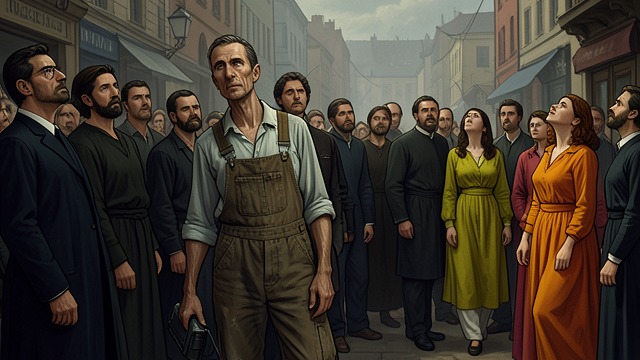
A Public Stereotype
Who counts as homeless
Ray reflects on the common image of a rough sleeper and contrasts it with the many households who lack secure housing but remain unseen. Official counts record only part of a much larger problem.
The distinction between visible street sleeping and hidden homelessness shapes who receives sympathy. The essay prepares the reader to see the couple’s own experience as part of a wider condition.
Legislation Against Vagrancy

Legislation Against Vagrancy
Poverty made suspicious
Ray traces laws that have treated people without visible means of support as idle, disorderly, or criminal. The account culminates in the continuing use of the Vagrancy Act 1824 and later public-space powers.
The history reframes homelessness as a condition governed by suspicion and removal, not merely lack of a bed. Legal control can make vulnerable people more precarious instead of providing shelter.
Rejected on the Street
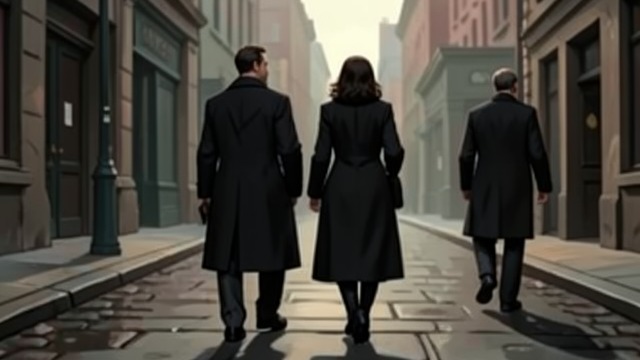
Rejected on the Street
A label changes a life
After an accident puts Ray on the pavement, a stranger calls the couple tramps and assumes they are drunk. Ray recognizes how quickly ownership, work, and reputation have been replaced by a stigmatized identity.
Her experience shows how easily a person’s past disappears from public view once homelessness becomes visible. The insult marks a social boundary the couple have crossed without choosing it.
The Hidden Forest Camp
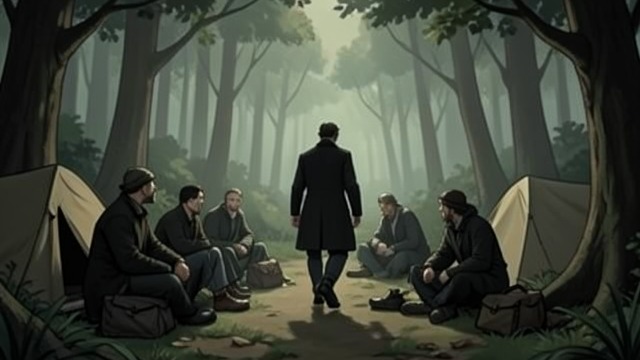
The Hidden Forest Camp
People priced out of home
John and Gav bring the couple to a forest camp where people live in tents and makeshift shelters. Many residents work, but low wages and expensive rural rents leave them unable to secure housing.
Their hidden village challenges the assumption that homelessness always takes the form of visible street sleeping or addiction. The residents have made a community because ordinary housing is beyond reach.
Recognizing Their Own Place
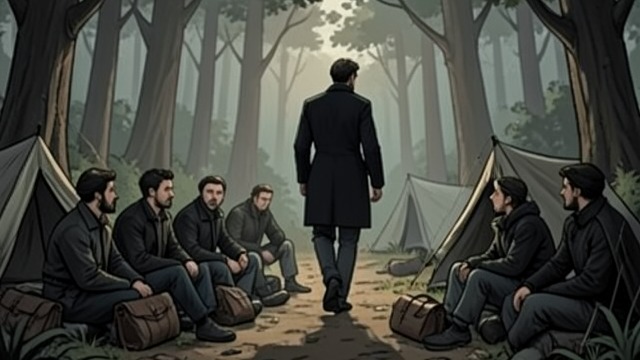
Recognizing Their Own Place
From exception to community
Ray and Moth meet other people whose lives have been displaced by financial pressure, illness, or the loss of tied housing. They recognize that their own story is not an isolated misfortune.
This recognition does not erase the differences between their circumstances and those of people living outside long term. It replaces judgment with a wider sense of shared vulnerability and need.
Before the couple leave Wales
In the historical account before the trail begins
During the first week of walking, in Lynton
During the second journey, after illness in Weymouth
Near the final coast section
